

Oil markets reacted sharply Sunday evening as escalating military action between the United States, Israel, and Iran fueled concerns about potential disruptions to global energy supplies. Traders pushed crude prices higher amid fears that instability in the Persian Gulf could interrupt the steady flow of oil exports from one of the world’s most critical energy corridors.
U.S. benchmark crude, known as West Texas Intermediate, climbed to roughly $72 per barrel in late trading, marking an increase of about 8% compared to Friday’s close near $67. Analysts attributed the jump to rising uncertainty over whether oil shipments from Iran and neighboring Gulf producers might slow or temporarily halt.
At the center of market anxiety is the Strait of Hormuz, a narrow waterway linking the Persian Gulf to the open ocean. The strait serves as a crucial artery for global energy trade, with approximately one-fifth of the world’s oil supply passing through it daily. Tankers carrying crude from Saudi Arabia, Iraq, Kuwait, Qatar, Bahrain, the United Arab Emirates, and Iran rely on this passage to reach international markets.
Recent attacks in the region, including reported incidents involving commercial vessels transiting the strait, have heightened fears that shipping routes could become unsafe. Even temporary disruptions could significantly reduce supply, driving up both crude and gasoline prices worldwide.
Energy analysts explain the reaction as a straightforward supply-and-demand response. When geopolitical tensions threaten to reduce available oil on the market, traders anticipate shortages and bid prices higher. Insurance premiums for tankers operating in high-risk areas can also surge, increasing transportation costs that often filter down to consumers.
Complicating the picture, members of OPEC+ announced plans to modestly increase output beginning in April. The alliance — which includes major producers such as Saudi Arabia, Russia, Iraq, and the United Arab Emirates — said it would boost production by more than 200,000 barrels per day. While the increase exceeded some expectations, analysts caution that additional output may not immediately offset logistical bottlenecks if shipping routes are constrained.
Market observers note that physical access to export routes can matter more than production quotas during crises. Even if oil is pumped at higher volumes, it must still move safely through chokepoints like the Strait of Hormuz to reach global buyers.
Iran currently exports an estimated 1.6 million barrels of oil per day, much of it to China. Should those exports face interruption, buyers may need to source alternative supplies, potentially intensifying competition in global markets and placing further upward pressure on prices.
Experts say a complete closure of the Strait of Hormuz would represent an extreme scenario with significant economic consequences — not only for oil-importing nations but also for Iran itself, whose government revenue relies heavily on energy exports. However, even without a full shutdown, elevated security risks could discourage shipping companies from operating in the region or lead insurers to sharply raise coverage rates.
Financial markets are likely to remain sensitive to developments in the Gulf. Traders will closely monitor military activity, diplomatic efforts, and official statements from energy producers in the coming days. Any signs of escalation or interruption to tanker traffic could trigger further price swings.
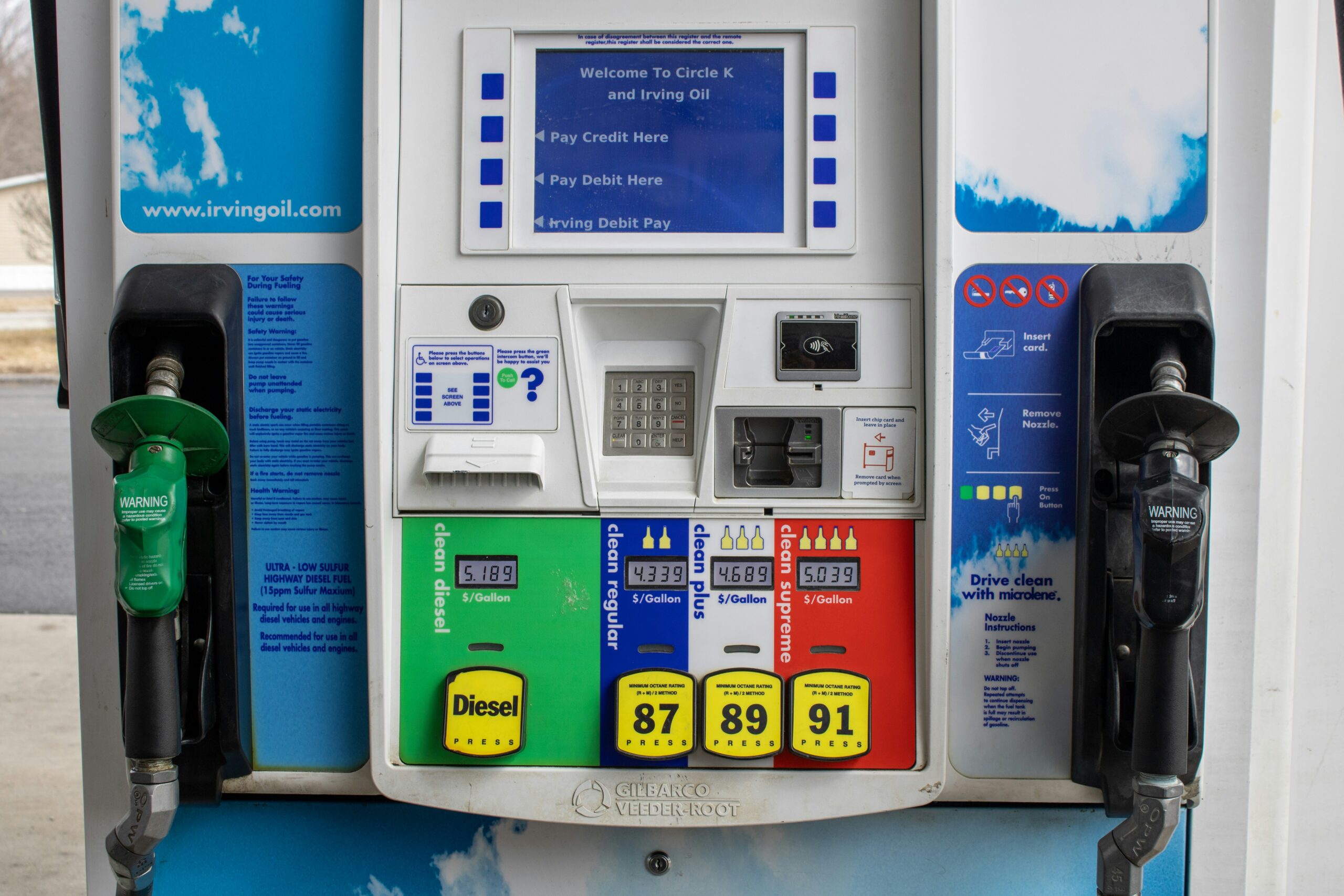
For consumers, sustained higher crude prices could eventually translate into increased gasoline costs, depending on how long the tension persists and whether supply flows normalize.
As the geopolitical situation unfolds, energy markets appear poised for continued volatility, underscoring how quickly regional conflict can ripple through the global economy.

We are The People's Media. USA Herald covers everything from breaking news to investigative journalism. We also report on politics on the State and National levels.


