

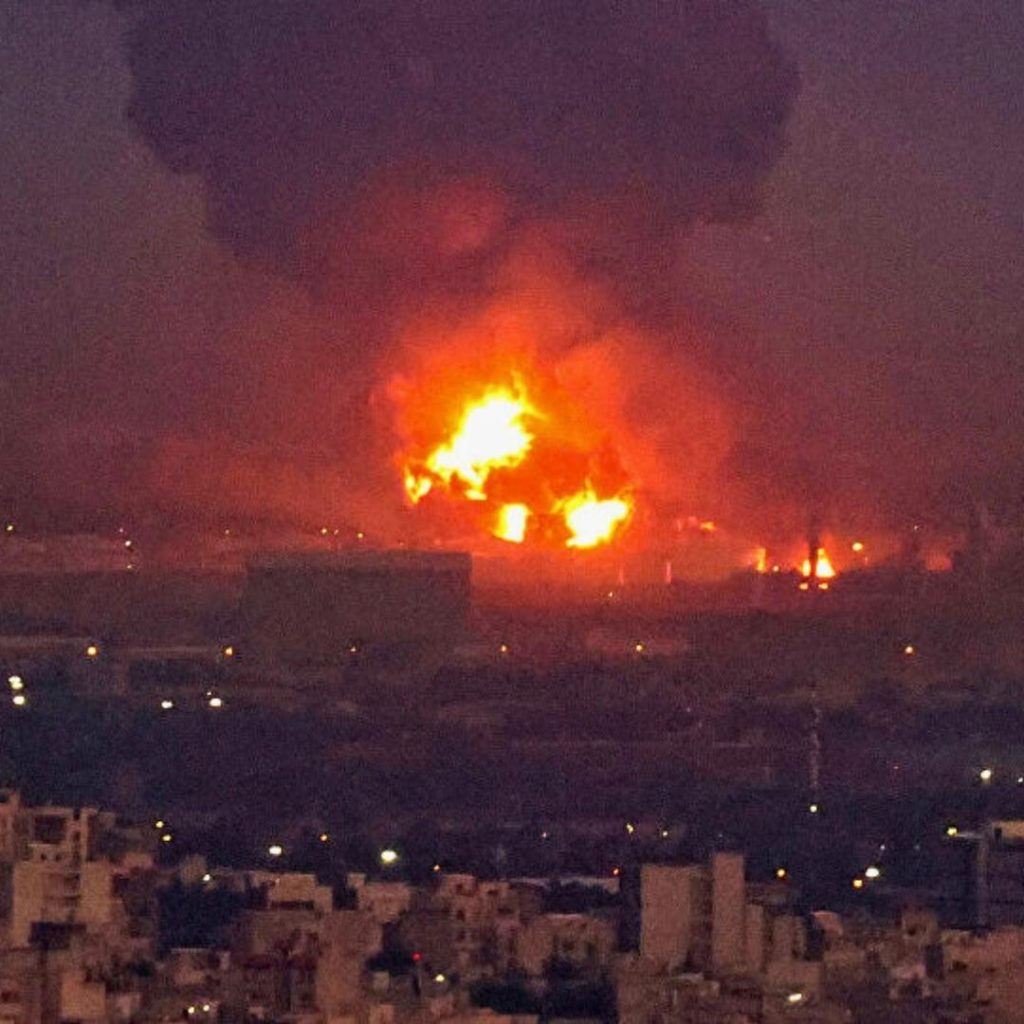
TEHRAN, Iran – The current conflict did not erupt overnight — it is the culmination of increasingly fraught relations and recent escalations:
Late 2025 — Nationwide Unrest in Iran
- Months of economic collapse and rising inflation fuel mass protests across Iran, challenging the Islamic Republic’s grip on power. The government cracks down violently, leading to thousands of deaths and deepening instability domestically.
January 2026 — U.S. Military Buildup
- The United States begins its largest Middle East military deployment since Iraq, positioning warships, aircraft and missile defenses amid rising concerns over Iran’s nuclear ambitions and regional aggression.
Mid-February 2026 — Nuclear Negotiations
- A series of indirect talks in Geneva take place between U.S. diplomats and Iranian representatives aimed at limiting Tehran’s nuclear program. However, progress stalls and core demands — including halting enrichment and missile restrictions — are unmet.
Late February — Diplomatic Hints of Breakthrough
- On the eve of the strikes, Oman’s foreign minister suggested a possible diplomatic breakthrough, including Iran agreeing to never stockpile enriched uranium and allow full International Atomic Energy Agency (IAEA) verification. But this apparently came too late to prevent military action.
February 28, 2026 — Operation Epic Fury
- The United States and Israel launch coordinated military strikes against Iranian military infrastructure and leadership sites in Tehran and other cities. This marks one of the most significant direct U.S.–Iran confrontations in decades.
Immediate Iranian Retaliation
- Iran responds with missile strikes against U.S. military bases and Israel, including attacks near the U.S. Navy’s Fifth Fleet base in Bahrain, signaling a broader regional escalation.
Economic Impact: What This Means for Americans
Even without direct attacks on U.S. soil, a conflict with Iran reverberates across global markets and everyday life in the United States:



