


Saudi Pipeline Shutdown Threatens a Deeper Fuel Crisis
International ı By Michallie Harrison
0 Comments
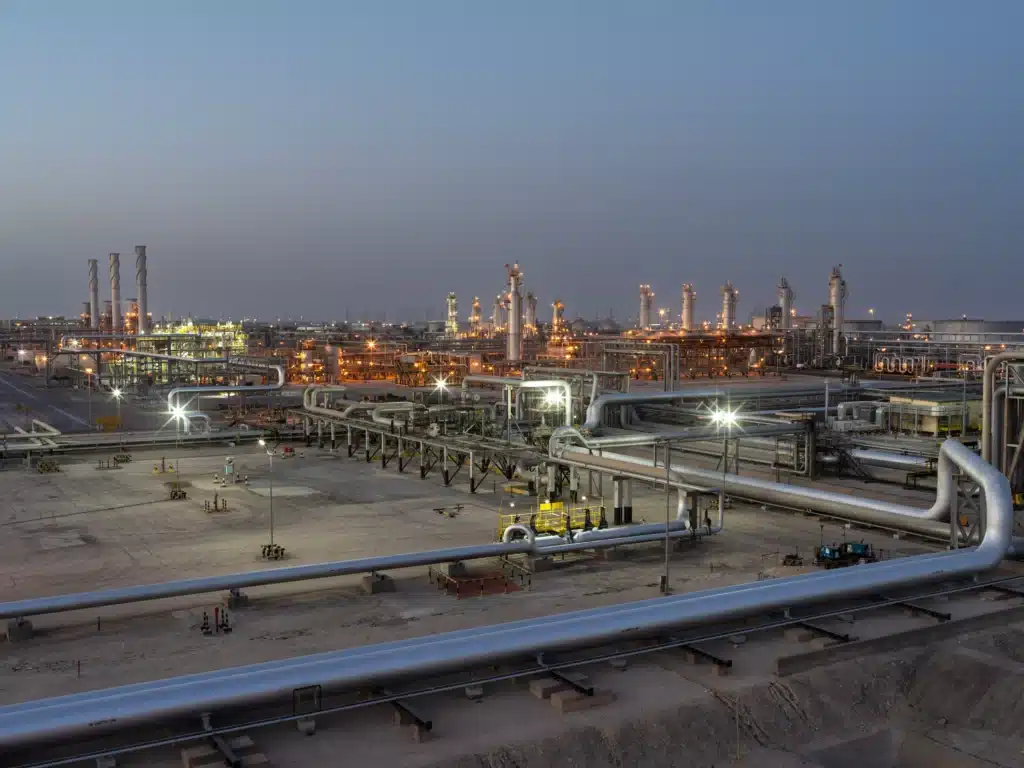
Saudi Arabia announced a precautionary halt to its East-West Pipeline Friday after multiple attacks. The Saudi pipeline shutdown interrupts a major route around the Strait of Hormuz, adding pressure to strained global fuel supplies.
The attacks occurred Thursday morning in the Riyadh and Madinah regions and caused injuries, according to an Energy Ministry statement published by the Saudi Press Agency. Emergency crews and technical teams began securing the pipeline and assessing its safety. Those injured received medical care.
The Saudi pipeline shutdown comes as Houthi forces advance along Yemen's western coast, threatening shipping near the Red Sea's southern entrance. The pipeline carries crude across Saudi Arabia to Yanbu, allowing exporters to avoid Hormuz. Its closure interrupts that overland connection just as the coastal offensive increases the risks facing ships farther south.
The consequences for consumers will depend on the outage's duration and whether suppliers can cover delayed deliveries. The disruption arrives with little relief in sight for American fuel buyers: Diesel prices were approaching $6 a gallon before Thursday's attacks.
Saudi pipeline shutdown follows attacks across two regions
Saudi Arabia's Foreign Ministry attributed the attacks to drones launched from Iraq. The launch location alleged by Saudi authorities does not establish which group operated the aircraft or who ordered the strikes.
The Energy Ministry provided no restart timetable, injury count or estimate of lost exports in its Friday announcement. It also did not identify individual damaged components. Crews must assess whether the equipment can operate safely before normal pumping resumes.
Oil already stored on the Red Sea coast could help sustain deliveries during the interruption. The ministry did not disclose terminal inventories or tanker-loading schedules, leaving unclear how much of the disruption those stocks could absorb.
The pipeline had become essential to Saudi exports
The East-West system connects the Abqaiq oil-processing area near the Persian Gulf with Yanbu on Saudi Arabia's western coast. That overland connection allows crude to reach the Red Sea without first passing through Hormuz, the narrow exit from the Persian Gulf.
Aramco increased its use of that connection earlier this year. In its first-quarter results, released May 10, the company said the pipeline reached its maximum capacity of 7 million barrels a day. CEO Amin Nasser called it a “critical supply artery” that helped customers facing restrictions in Hormuz.
That maximum capacity is not a measure of the current daily export loss. The amount affected depends on recent pumping rates, the outage's duration and available stocks near Yanbu. Refineries also consume crude, so the volume moving through the pipeline does not automatically equal the amount loaded onto tankers.
The shutdown strikes infrastructure Aramco had credited with keeping its business operating during the U.S.-Iran war. In its Aug. 4 half-year results, Nasser said the pipeline, storage and export terminals helped sustain production and exports despite disruptions in Hormuz.
Losing that connection reduces Saudi Arabia's ability to shift deliveries between its two coasts. Customers depending on the Red Sea route face the risk of delays and additional costs for replacement cargoes.
Hormuz disruptions pushed oil onto alternative routes
The sharp decline in traffic through Hormuz increased the importance of Saudi Arabia's alternative route. The U.S. Energy Information Administration's Global Energy Security Data, released Aug. 12, put second-quarter oil flows through the strait at an estimated 4.9 million barrels a day. They averaged 21.6 million barrels a day in the final quarter of 2025.
Some oil continued moving through Hormuz during that period, but the quarterly averages show how severely traffic had declined. Exporters were losing dependable access to a route serving several producing countries, increasing their reliance on alternatives and stored supplies.
Gas shipments also fell sharply. The EIA estimated that liquefied natural gas flows through Hormuz averaged 0.8 billion cubic feet a day in the second quarter. They averaged 10.5 billion cubic feet a day in the final quarter of 2025.
Restoring the East-West Pipeline would help Saudi crude reach buyers. Exporters of liquefied natural gas and other fuels would still face their own shipping constraints, limiting the broader relief a pipeline restart could provide.
Houthi advances threaten Red Sea shipping
Along Yemen's western coast, Houthi advances have brought fighting closer to another vital shipping passage. At a U.N. Security Council briefing Thursday, Latvia's representative cited the capture of Mocha and the growing threat to Bab el-Mandeb.
Mocha, also spelled Mokha, lies near the southern end of the Red Sea. Fighting there places the conflict close to the passage connecting that sea with the Gulf of Aden and routes toward the Indian Ocean.
Yemen's government continued reporting combat in the area Friday. Military spokesman Majed al-Nuzaili said government forces struck Houthi personnel and vehicles near Mokha port and along the Mokha-Dhubab road. The claimed battlefield losses have not been independently verified by USA Herald.
On Saturday, the internationally recognized government's foreign minister warned that the expanding threat toward Bab el-Mandeb endangered civilians, international navigation and supply chains. The warning underscored the consequences of fighting along a coast used by international shipping.
Houthi transport authorities said in a Saturday statement carried by Houthi-run SABA that international vessels could pass while Saudi vessels remained banned. Their announcement describes a selective restriction, though it offers no independent assurance of safe passage. The statements reviewed do not confirm a complete halt to commercial traffic through the strait.
The northern Red Sea offers a longer way out
Yanbu sits north of Bab el-Mandeb, allowing departing tankers to sail toward the Suez Canal without crossing the southern strait. The EIA's Saudi Arabia analysis describes how the overland pipeline can help exporters avoid both Hormuz and Bab el-Mandeb.
That option depends on the cargo's onward route. Ships sailing north from Yanbu avoid the waterway beside Yemen. Those heading south toward the Gulf of Aden encounter the area now under growing Houthi pressure.
The Saudi pipeline shutdown interrupts the overland supply feeding those voyages. Even where a sea route remains available, exporters need sufficient oil at the terminal, working loading facilities and ships able to take the cargo. A usable route on a map cannot overcome a break elsewhere in that chain.
Saudi exporters had already changed their shipping patterns. The EIA's September global oil outlook, released Wednesday before the attacks, said shipments north through Suez had increased. That route is longer and more expensive for Asian customers. The agency also said Yanbu exports roughly halved in August compared with July, citing Vortexa estimates.
Those earlier difficulties would remain after repairs restored pipeline service. Exporters would regain the ability to move crude across the country, while still facing the maritime obstacles that had reduced deliveries in August.
Oil inventories were shrinking before the attack
Stored oil has helped buyers cope with months of disrupted supplies, but those reserves have diminished. The International Energy Agency's September Oil Market Report, published Friday, estimated a 507 million-barrel decline in observed global inventories since February. That included 95 million barrels in August.
The IEA put total Gulf oil exports in August at roughly 13 million barrels a day, nearly half their prewar level. It also reported sharply reduced exports of refined products, including diesel, as shipping disruptions and refinery problems restricted available supplies.
The Saudi pipeline shutdown adds to that existing strain. A prolonged interruption could require buyers to draw down more stocks, replace delayed cargoes or reduce refinery operations. Each response carries costs for a market already working with fewer supplies in reserve.
USA Herald previously examined the energy-market pressures surrounding failed U.S.-Iran talks and earlier Saudi infrastructure disruptions. The latest attacks add another obstacle to restoring predictable exports through a region whose oil infrastructure and shipping routes remain exposed to conflict.
Americans face an already expensive fuel market
U.S. drivers and businesses were already paying elevated fuel prices before the attacks. In the EIA's weekly survey for Sept. 7, regular gasoline averaged about $4.16 a gallon nationwide, while highway diesel averaged about $5.97. Diesel had increased nearly 37 cents from the previous week.
The gap between gasoline and diesel prices also shows why a single oil-price figure cannot capture every consumer's experience. Drivers, truck operators and other fuel users buy different products whose supplies and production costs can move differently.
American fuel prices remain connected to the wider oil market. The EIA identifies crude oil as the largest component of retail gasoline prices, alongside refining, distribution, marketing and taxes. Higher production in the United States can help ease supply pressure, but a foreign disruption can still influence the prices refiners and consumers pay.
For diesel, the risks extend into farming, freight and home heating. The EIA's September petroleum-products outlook forecast U.S. distillate inventories below 100 million barrels during the month. That forecast also preceded the attacks.
The agency warned that global shortages encourage U.S. diesel exports, pressuring domestic stocks and prices. Fall refinery maintenance and rising harvest demand could compound the squeeze, with low inventories also threatening higher Northeast heating-oil costs.
Those seasonal pressures increase the consequences of a sustained Saudi pipeline shutdown. Farmers and freight operators still need fuel to complete work and deliveries, while households using heating oil face approaching winter demand.
Repair work and export recovery will shape the fallout
The first step toward restoring the route is getting the pipeline operating safely. The pace of resumed pumping, deliveries into Yanbu and departing cargoes will then determine how quickly customers receive relief.
Aramco has identified domestic and international storage as tools for managing disruption. Stored oil can help fulfill deliveries while normal flows recover, provided it is available where customers and transport systems need it. Those reserves buy time, but they require replenishment if normal exports remain disrupted.
Buying replacement oil elsewhere presents another possible response, with practical constraints. Customers need suitable crude, available transport and delivery dates that match refinery requirements. An alternative cargo can reduce a shortage while still increasing the buyer's costs or arriving later than planned.
The pipeline's maximum capacity gives Saudi Arabia a substantial route around Hormuz once operations recover. Sustaining exports also requires safe onward shipping and enough terminal capacity to keep cargoes moving. The fighting along Yemen's coast leaves those maritime risks unresolved.
For buyers, recovery will mean reliable deliveries arriving when expected. Until then, the shutdown puts further pressure on the stored supplies and alternative routes that have kept oil moving through months of war.

Discussion
No comments yet. Be the first to join the discussion!
FOLLOW US

Recent Posts

Duke University Ends Reginaldo Howard Scholarship following Affirmative Action Ruling

Bali Tourist Deported and Banned for 10 Years After Alleged…

$LAPTOP Meme Coin Crashes After Hunter Biden Launches Cryptocurrency

Open Secure AI Alliance Forms as Tech Industry Pushes for…

Silverthorne Bomb Threat Triggers Evacuations, School Transport Chaos

Arrow Bank to Acquire Skene Valley in Upstate New York…

Tenet Health 1,500 Layoffs Ripple Across North Texas Job Market
Don’t Miss It
Bears and RB Swift $33.75M Extension Locks In Backfield Anchor
By – Tyler BrooksNew Mexico Atty $5K Fine Follows AI-Generated Brief Riddled With Fiction
By – Tyler BrooksRyan Ryan $60M Malpractice Lawsuit Accuses Firm of Silence That Cost Millions
By – Tyler BrooksCooley, Investor Malpractice Suit Settlement Closes Book on Dry-Cleaning Startup Debacle
By – Tyler BrooksConduent Data Breach Claims Settlement Ends Fight Over 44 Million Exposed Records
By – Tyler BrooksSkywatcher: ExoMoon Discovery May Reveal First Known Moon Beyond Our Solar System
By – Jackie AllenSkywatchers: Moonshadow Creates Dramatic Blood Moon as the Summer Ends
By – Jackie AllenJosh Hawley Opens OpenAI Investigation Over Hugging Face AI Breach
By – Samuel Lopez
Congress Has Seen the Evidence on…
Key Takeaways Lawmakers with security clearances, including Rep. Nancy Mace,…
By – Samuel Lopez
iPhone Duo Finally Gives Apple Fans…
CUPERTINO, Calif. — iPhone Duo will bring a folding screen…
By – Michallie Harrison
Mexican Food Company Announces California Layoffs…
Key Takeaways Ruiz Foods is cutting 176 jobs at its…
By – Samuel Lopez
Sam Bankman-Fried Seeks Supreme Court Review…
By Samuel López | USA Herald Sam Bankman-Fried is taking…
By – Samuel Lopez
5th Circuit Vacates $125M Award Over…
Key Takeaways A divided Fifth Circuit upheld relief from a…
By – Samuel Lopez
41% of Lawyers Say Legal Careers…
Key Takeaways More than 41% of surveyed lawyers say the…
By – Samuel Lopez
41% of Lawyers Say Legal Careers…
Key Takeaways More than 41% of surveyed lawyers say the…
By – Samuel Lopez
Trump Promises $5,000 Dividend Checks if…
By Samuel López | USA Herald DALLAS — President Donald…
By – Samuel Lopez
Hawaii Couple Sentenced to Prison After…
Key Takeaways Scott Hawver received 16 months in prison, and…
By – Samuel Lopez
Flock Safety Cracks Down on Police…
Flock Safety is introducing mandatory safeguards for its automated license-plate…
By – Jackie Allen
Massachusetts Judge Publicly Reprimanded Over 2018…
Key Takeaways The Massachusetts Supreme Judicial Court publicly reprimanded Judge…
By – Samuel Lopez
Anthropic Says It Caught Scientists Trying…
Key Takeaways Anthropic’s newest threat intelligence report details five case…
By – Samuel Lopez
OpenAI Cybersecurity Under Scrutiny After AI…
OpenAI cybersecurity concerns are growing after researchers reported that a…
By – Jackie Allen
To Catch a Predator: Robert Pattinson…
The phrase Catch a Predator became synonymous with one of…
By – Jackie Allen
Trump-a-Palooza: Republicans Put Trump at Center…
DALLAS — Trump-a-Palooza is bringing Republicans from across the country…
By – Jackie Allen
Iranian Twins Face Death Sentence and…
Iranian twins Taraneh and Romina Rahimi, 20, are facing drastically…
By – Jackie Allen
AI Amnesia: Bigger Diffusion Models May…
AI Amnesia may be an emerging problem for researchers, artists…
By – Jackie Allen
Bats Invade Homes in New York…
New York is experiencing a surge in bat encounters this…
By – Jackie Allen
Anthropic Says It Caught Scientists Trying…
Key Takeaways Anthropic’s newest threat intelligence report details five case…
By – Samuel Lopez
Michael Jackson Accuser James Safechuck and…
Key Takeaways James Safechuck is reportedly scheduled for questioning September…
By – Samuel Lopez
CBCA Minimum Wage $3.3M Suit Win…
Contracts are supposed to prevent confusion, not create it —…
By – Rihem Akkouche
Latham Buys Nvidia Servers to Power…
Most law firms borrow their horsepower — leasing AI tools…
By – Rihem Akkouche
Chevron $52M Iran Oil Settlement Ends…
Sometimes the most dramatic disputes aren’t fought at sea, but…
By – Rihem Akkouche
PGR Filed for Bankruptcy as Solar…
Solar power promises endless energy from an endless source —…
By – Rihem Akkouche
PGR Filed for Bankruptcy as Solar…
Solar power promises endless energy from an endless source —…
By – Rihem Akkouche
Frazier $1.1B Public Fund Signals Fresh…
When investors line up not just to meet a funding…
By – Tyler Brooks
Enbridge-Tallgrass Crude Oil Deal Locks In…
In the world of energy infrastructure, growth often looks less…
By – Tyler Brooks
Brian Duckworth Death Silences a Voice…
Some voices carry further than the rooms they’re born in.…
By – Tyler Brooks
Wrongful Death Lawsuit Against Energy Drink…
Key takeaways The latest reported order paused the family’s lawsuit…
By – Samuel Lopez
Missing Scientists and Defense Personnel Continue…
Key takeaways Four people central to earlier coverage remain publicly…
By – Samuel Lopez
Ambient AI Could Be the Next…
Key Takeaways Ambient AI can turn conversations into draft records,…
By – Samuel Lopez
Georgian National Indicted in Money Laundering…
By Samuel López | USA Herald A federal grand jury…
By – Samuel Lopez
DOJ Drops Hammer On Kansas School…
By Samuel López | USA Herald The U.S. Department of…
By – Samuel Lopez
CVS Ordered to Answer for AI-Fueled…
Case at a Glance A Manhattan federal judge has ruled…
By – Samuel Lopez
Sacred Horse Year Pilgrimage Turns Catastrophic…
A Disaster Unfolding in Real Time, Legal and Diplomatic Fallout…
By – Samuel Lopez
When Your Chatbot Becomes the Star…
Legal Analysis: How AI Conversations Are Reshaping the Rules of…
By – Samuel Lopez
Travis Kelce-Backed Club Car Wash Faces…
By Samuel López | USA Herald A fast-growing car wash…
By – Samuel Lopez
‘DWTS’ Gleb Savchenko Lists $1.4 Million…
By Samuel López | USA Herald Factual Background Gleb Savchenko…
By – Samuel Lopez
Trump Calls Tiger Woods DUI Plea…
In This Report Tiger Woods accepted reduced charges and surrendered…
By – Samuel Lopez
Clippers Fined $30M as NBA Drops…
A year-long investigation just landed on the Los Angeles Clippers…
By – Rihem Akkouche
Tupac Shakur Murder Trial Moves to…
The Tupac Shakur murder trial will resume Thursday in Las…
By – Jackie Allen
World Cup Brawl Leads to Major…
EAST RUTHERFORD, N.J. — The World Cup final between Spain…
By – Jackie AllenNo posts found.
No posts found.


Join the Discussion
Share your thoughts, ask questions, and engage with
other readers. Sign in or create a free account to
comment.