

Saudi Pipeline Shutdown Threatens a Deeper Fuel Crisis
International ı By Michallie K Harrison
1 Comment
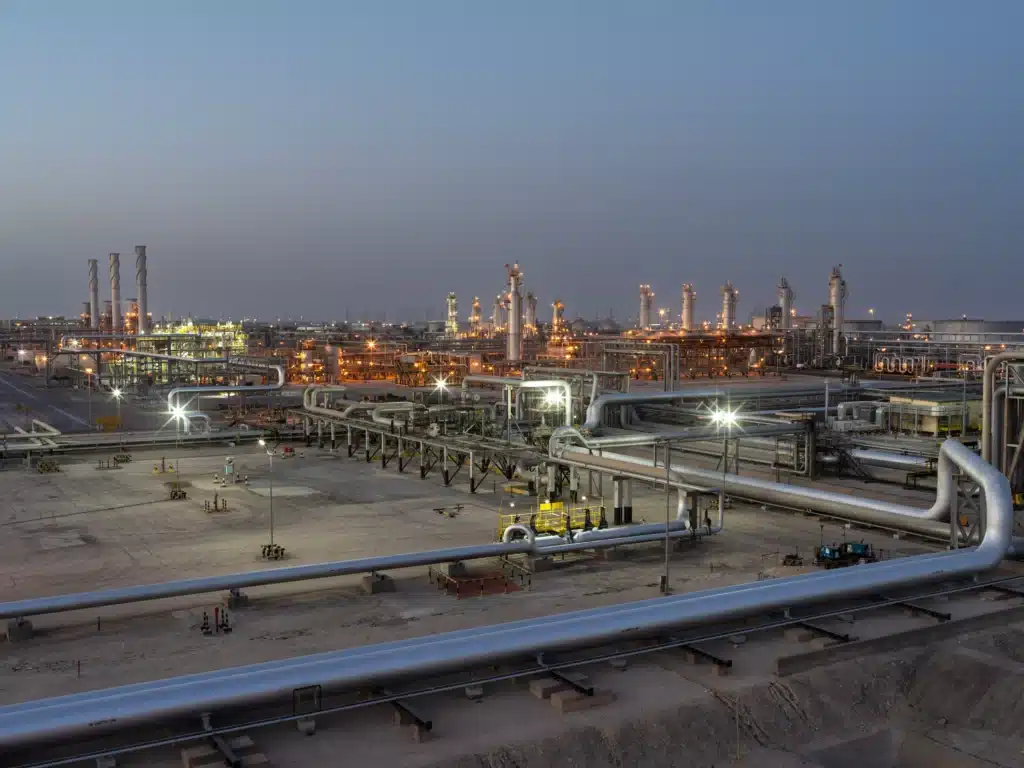
Saudi Arabia announced a precautionary halt to its East-West Pipeline Friday after multiple attacks. The Saudi pipeline shutdown interrupts a major route around the Strait of Hormuz, adding pressure to strained global fuel supplies.
The attacks occurred Thursday morning in the Riyadh and Madinah regions and caused injuries, according to an Energy Ministry statement published by the Saudi Press Agency. Emergency crews and technical teams began securing the pipeline and assessing its safety. Those injured received medical care.
The Saudi pipeline shutdown comes as Houthi forces advance along Yemen's western coast, threatening shipping near the Red Sea's southern entrance. The pipeline carries crude across Saudi Arabia to Yanbu, allowing exporters to avoid Hormuz. Its closure interrupts that overland connection just as the coastal offensive increases the risks facing ships farther south.
The consequences for consumers will depend on the outage's duration and whether suppliers can cover delayed deliveries. The disruption arrives with little relief in sight for American fuel buyers: Diesel prices were approaching $6 a gallon before Thursday's attacks.
Saudi pipeline shutdown follows attacks across two regions
Saudi Arabia's Foreign Ministry attributed the attacks to drones launched from Iraq. The launch location alleged by Saudi authorities does not establish which group operated the aircraft or who ordered the strikes.
The Energy Ministry provided no restart timetable, injury count or estimate of lost exports in its Friday announcement. It also did not identify individual damaged components. Crews must assess whether the equipment can operate safely before normal pumping resumes.
Oil already stored on the Red Sea coast could help sustain deliveries during the interruption. The ministry did not disclose terminal inventories or tanker-loading schedules, leaving unclear how much of the disruption those stocks could absorb.
The pipeline had become essential to Saudi exports
The East-West system connects the Abqaiq oil-processing area near the Persian Gulf with Yanbu on Saudi Arabia's western coast. That overland connection allows crude to reach the Red Sea without first passing through Hormuz, the narrow exit from the Persian Gulf.
Aramco increased its use of that connection earlier this year. In its first-quarter results, released May 10, the company said the pipeline reached its maximum capacity of 7 million barrels a day. CEO Amin Nasser called it a “critical supply artery” that helped customers facing restrictions in Hormuz.
That maximum capacity is not a measure of the current daily export loss. The amount affected depends on recent pumping rates, the outage's duration and available stocks near Yanbu. Refineries also consume crude, so the volume moving through the pipeline does not automatically equal the amount loaded onto tankers.
The shutdown strikes infrastructure Aramco had credited with keeping its business operating during the U.S.-Iran war. In its Aug. 4 half-year results, Nasser said the pipeline, storage and export terminals helped sustain production and exports despite disruptions in Hormuz.
Losing that connection reduces Saudi Arabia's ability to shift deliveries between its two coasts. Customers depending on the Red Sea route face the risk of delays and additional costs for replacement cargoes.
Hormuz disruptions pushed oil onto alternative routes
The sharp decline in traffic through Hormuz increased the importance of Saudi Arabia's alternative route. The U.S. Energy Information Administration's Global Energy Security Data, released Aug. 12, put second-quarter oil flows through the strait at an estimated 4.9 million barrels a day. They averaged 21.6 million barrels a day in the final quarter of 2025.
Some oil continued moving through Hormuz during that period, but the quarterly averages show how severely traffic had declined. Exporters were losing dependable access to a route serving several producing countries, increasing their reliance on alternatives and stored supplies.
Gas shipments also fell sharply. The EIA estimated that liquefied natural gas flows through Hormuz averaged 0.8 billion cubic feet a day in the second quarter. They averaged 10.5 billion cubic feet a day in the final quarter of 2025.
Restoring the East-West Pipeline would help Saudi crude reach buyers. Exporters of liquefied natural gas and other fuels would still face their own shipping constraints, limiting the broader relief a pipeline restart could provide.
Houthi advances threaten Red Sea shipping
Along Yemen's western coast, Houthi advances have brought fighting closer to another vital shipping passage. At a U.N. Security Council briefing Thursday, Latvia's representative cited the capture of Mocha and the growing threat to Bab el-Mandeb.
Mocha, also spelled Mokha, lies near the southern end of the Red Sea. Fighting there places the conflict close to the passage connecting that sea with the Gulf of Aden and routes toward the Indian Ocean.
Yemen's government continued reporting combat in the area Friday. Military spokesman Majed al-Nuzaili said government forces struck Houthi personnel and vehicles near Mokha port and along the Mokha-Dhubab road. The claimed battlefield losses have not been independently verified by USA Herald.
On Saturday, the internationally recognized government's foreign minister warned that the expanding threat toward Bab el-Mandeb endangered civilians, international navigation and supply chains. The warning underscored the consequences of fighting along a coast used by international shipping.
Houthi transport authorities said in a Saturday statement carried by Houthi-run SABA that international vessels could pass while Saudi vessels remained banned. Their announcement describes a selective restriction, though it offers no independent assurance of safe passage. The statements reviewed do not confirm a complete halt to commercial traffic through the strait.
The northern Red Sea offers a longer way out
Yanbu sits north of Bab el-Mandeb, allowing departing tankers to sail toward the Suez Canal without crossing the southern strait. The EIA's Saudi Arabia analysis describes how the overland pipeline can help exporters avoid both Hormuz and Bab el-Mandeb.
That option depends on the cargo's onward route. Ships sailing north from Yanbu avoid the waterway beside Yemen. Those heading south toward the Gulf of Aden encounter the area now under growing Houthi pressure.
The Saudi pipeline shutdown interrupts the overland supply feeding those voyages. Even where a sea route remains available, exporters need sufficient oil at the terminal, working loading facilities and ships able to take the cargo. A usable route on a map cannot overcome a break elsewhere in that chain.
Saudi exporters had already changed their shipping patterns. The EIA's September global oil outlook, released Wednesday before the attacks, said shipments north through Suez had increased. That route is longer and more expensive for Asian customers. The agency also said Yanbu exports roughly halved in August compared with July, citing Vortexa estimates.
Those earlier difficulties would remain after repairs restored pipeline service. Exporters would regain the ability to move crude across the country, while still facing the maritime obstacles that had reduced deliveries in August.
Oil inventories were shrinking before the attack
Stored oil has helped buyers cope with months of disrupted supplies, but those reserves have diminished. The International Energy Agency's September Oil Market Report, published Friday, estimated a 507 million-barrel decline in observed global inventories since February. That included 95 million barrels in August.
The IEA put total Gulf oil exports in August at roughly 13 million barrels a day, nearly half their prewar level. It also reported sharply reduced exports of refined products, including diesel, as shipping disruptions and refinery problems restricted available supplies.
The Saudi pipeline shutdown adds to that existing strain. A prolonged interruption could require buyers to draw down more stocks, replace delayed cargoes or reduce refinery operations. Each response carries costs for a market already working with fewer supplies in reserve.
USA Herald previously examined the energy-market pressures surrounding failed U.S.-Iran talks and earlier Saudi infrastructure disruptions. The latest attacks add another obstacle to restoring predictable exports through a region whose oil infrastructure and shipping routes remain exposed to conflict.
Americans face an already expensive fuel market
U.S. drivers and businesses were already paying elevated fuel prices before the attacks. In the EIA's weekly survey for Sept. 7, regular gasoline averaged about $4.16 a gallon nationwide, while highway diesel averaged about $5.97. Diesel had increased nearly 37 cents from the previous week.
The gap between gasoline and diesel prices also shows why a single oil-price figure cannot capture every consumer's experience. Drivers, truck operators and other fuel users buy different products whose supplies and production costs can move differently.
American fuel prices remain connected to the wider oil market. The EIA identifies crude oil as the largest component of retail gasoline prices, alongside refining, distribution, marketing and taxes. Higher production in the United States can help ease supply pressure, but a foreign disruption can still influence the prices refiners and consumers pay.
For diesel, the risks extend into farming, freight and home heating. The EIA's September petroleum-products outlook forecast U.S. distillate inventories below 100 million barrels during the month. That forecast also preceded the attacks.
The agency warned that global shortages encourage U.S. diesel exports, pressuring domestic stocks and prices. Fall refinery maintenance and rising harvest demand could compound the squeeze, with low inventories also threatening higher Northeast heating-oil costs.
Those seasonal pressures increase the consequences of a sustained Saudi pipeline shutdown. Farmers and freight operators still need fuel to complete work and deliveries, while households using heating oil face approaching winter demand.
Repair work and export recovery will shape the fallout
The first step toward restoring the route is getting the pipeline operating safely. The pace of resumed pumping, deliveries into Yanbu and departing cargoes will then determine how quickly customers receive relief.
Aramco has identified domestic and international storage as tools for managing disruption. Stored oil can help fulfill deliveries while normal flows recover, provided it is available where customers and transport systems need it. Those reserves buy time, but they require replenishment if normal exports remain disrupted.
Buying replacement oil elsewhere presents another possible response, with practical constraints. Customers need suitable crude, available transport and delivery dates that match refinery requirements. An alternative cargo can reduce a shortage while still increasing the buyer's costs or arriving later than planned.
The pipeline's maximum capacity gives Saudi Arabia a substantial route around Hormuz once operations recover. Sustaining exports also requires safe onward shipping and enough terminal capacity to keep cargoes moving. The fighting along Yemen's coast leaves those maritime risks unresolved.
For buyers, recovery will mean reliable deliveries arriving when expected. Until then, the shutdown puts further pressure on the stored supplies and alternative routes that have kept oil moving through months of war.

Discussion
Maybe don’t start wars in middle east then??
FOLLOW US

Recent Posts







Don’t Miss It

Pope Leo XIV Needs No Further…
VATICAN CITY — Pope Leo XIV will not require additional…
By – Jackie Allen
Six Women Testify in Russell Brand…
LONDON — Six women have testified in the Russell Brand…
By – Michallie K Harrison
Websites Go Dark as AI Uncovers…
The PHP security crisis has pushed government websites offline and…
By – Michallie K Harrison
El Nino Could Reach Historic Strength,…
GENEVA — El Nino, a powerful climate pattern that warms…
By – Jackie Allen
News Overload Can Fuel Anxiety and…
News keeps people informed about wars, political conflict, public safety…
By – Jackie Allen
Atlanta Rapper Indicted in Alleged $4.6…
ATLANTA — Shawtey Dred, the social media persona of Atlanta…
By – Jackie Allen
Intuitive Surgical $450M Settlement Targets Da…
Intuitive Surgical has agreed to pay $450 million to resolve…
By – Tyler Brooks
Getty Images Files Chapter 11 With…
Getty Images Holdings Inc., the visual content giant behind millions…
By – Tyler Brooks
Meta Stock in Focus as Earnings,…
Meta delivered a powerful revenue performance in its third-quarter earnings…
By – Tyler Brooks
Pantheon $6B Secondaries Fund Marks Firm’s…
Private markets investor Pantheon has secured $6 billion in capital…
By – Rachel Moore
Spartanburg Woman $8K Insurance Fraud Case…
A South Carolina woman is behind bars after investigators accused…
By – Rachel Moore
TDI Launches Insurance Fraud Task Force…
The Texas Department of Insurance has launched a coordinated push…
By – Rachel Moore
Musk and Trump Have a Starlink…
Opinion | Starlink restrictions in Ukraine have exposed a problem Elon Musk…
By – Michallie K Harrison
Texas Trans Texts Spark Election Propaganda…
News Analysis | Texas voters began casting early ballots Monday,…
By – Michallie K Harrison
California Ballots: DOJ Cites Charges Against…
WASHINGTON — The Justice Department is citing charges against 28…
By – Michallie K Harrison
Richard Riehle Dies at 78, Leaving…
Richard Riehle, the character actor whose memorable roles included “Office…
By – Michallie K Harrison
Extreme Heat Is Spreading and Lasting…
An extreme heat event lasting 367 days touched nearly 85%…
By – Michallie K Harrison
Information Ecosystem: Five Tools to Detect…
The information ecosystem is increasingly vulnerable to misinformation. There are…
By – Jackie Allen
CBRE £760M Onnec Buy Targets Booming…
Real estate services giant CBRE Group Inc. has agreed to…
By – Rachel Moore
Kohen Wiley Is Dead. Mississippi Owes…
Kohen Wiley was 1 year old when police gunfire killed…
By – Michallie K Harrison
Chubb And GKN Race To Opposite…
What’s Driving the Insurance Battle ACE American, a Chubb unit,…
By – Samuel Lopez
Recently Obtained FOIA Records Reveal AARO…
What the Pentagon Records Now Show AARO arranged a private…
By – Samuel Lopez
Trump Fires Katie Zacharia After Five…
What You Need to Know Zacharia was dismissed after only…
By – Samuel Lopez
Katie Zacharia Says She Is A…
WASHINGTON – President Donald Trump’s new White House press secretary,…
By – Samuel Lopez
Children’s Mercy Insurance Coverage Changes: Kansas…
Children’s Mercy Hospital in Kansas City will no longer participate…
By – Rachel Moore
BioWare Closing: EA Shuts Down Legendary…
Electronic Arts is reshaping its videogame empire in a sweeping…
By – Rachel Moore
Auto-Owners Insurers Verdict: Jury Awards Warehouse…
A North Carolina federal jury has awarded nearly $2 million…
By – Tyler Brooks
NJ $10M Car Insurance Fine: Geico…
New Jersey insurance regulators have accused Geico of overcharging motorists…
By – Tyler Brooks
Ara Partners $2.5B Energy Fund Reaches…
Ara Partners has secured $2.5 billion in capital commitments for…
By – Tyler Brooks
Burger King Hello Kitty Meal Arrives…
Few pairings feel as inevitable as a kids’ meal and…
By – Rachel Moore
HealthSplash VP 18 Months Sentencing Rewards…
Cooperation can shave years off a prison term, but it…
By – Tyler Brooks
Daylight Saving Time Returns Nov. 1…
Americans will turn their clocks back one hour on Nov.…
By – Jackie Allen
California Identifies New York Life, Aetna,…
Key Takeaways California’s Department of Insurance maintains an official…
By – Samuel Lopez
Three Children, Teacher Killed in Oregon…
BEND, Ore. — An Oregon school shooting killed three children…
By – Michallie K Harrison
Trump Scraps Hegseth’s Execution Livestream After…
WASHINGTON — President Donald Trump canceled the planned execution livestream…
By – Michallie K Harrison
Pope Leo XIV’s Surgery Exposes Gap…
By Samuel López | USA Herald VATICAN CITY — As…
By – Samuel Lopez
An Airman Died After a Pregame…
By Michallie K. Harrison | Opinion Tech. Sgt. Ian Patterson’s…
By – Michallie K Harrison
NFL Player $300M Hip Surgery Lawsuit…
Athletes bet their bodies on surgeons the way pilots bet…
By – Tyler Brooks
Russian Drone Strikes Hit American Businesses…
Russian drone strikes against American-linked businesses in Ukraine are raising…
By – Jackie Allen
AP Poll Top 25: Georgia Claims…
Georgia has reclaimed the top spot in the AP Poll…
By – Rachel Moore
A.J. Armstrong: Former NFL Player’s Son…
HOUSTON — Antonio “A.J.” Armstrong Jr., the son of former…
By – Jackie Allen
NFL Pro Tyreek Hill Takes the…
What the Jury Is Hearing Lakeeta “Keeta” Vaccaro Hill testified…
By – Samuel LopezNo posts found.
No posts found.


Join the Discussion
Share your thoughts, ask questions, and engage with
other readers. Sign in or create a free account to
comment.