


The Department of Homeland Security is on the verge of a shutdown after Congress failed to approve new funding before a temporary spending measure expires at midnight. With negotiations stalled, one of the federal government’s largest agencies now faces a lapse in appropriations.
Why the Funding Deal Collapsed
Democrats linked their support for the funding bill to changes in immigration enforcement policies. Among their proposals were requirements for judicial warrants in certain operations, clearer identification standards for DHS officers, revised use-of-force policies, and safeguards to prevent detaining individuals without confirming their citizenship status. They also pushed for restrictions on searches based on race, language, accent or occupation.
The debate intensified following last month’s fatal shootings of Renee Good and Alex Pretti by federal law enforcement officers in Minneapolis. Lawmakers ultimately failed to reach a compromise before the deadline.
What Happens During a Shutdown
Under DHS contingency planning guidelines, only essential operations are permitted to continue during a funding lapse. These include activities tied to national security, border protection, maritime safety and the protection of life and property.
Employees deemed essential must continue working even though they will not receive pay during the shutdown. Federal law ensures they receive back pay once funding is restored.
DHS previously estimated that about 249,000 of its roughly 272,000 employees — nearly 92% of the workforce — would continue reporting to duty during a shutdown. However, extended funding gaps can strain staffing levels if employees take leave due to missed paychecks.
Because DHS accounts for roughly 13% of the federal civilian workforce, even a partial disruption has wide operational implications.
Air Travel and Airport Security
Air traffic controllers are funded through the Department of Transportation, whose budget has already been approved. As a result, air traffic control services will continue without interruption.
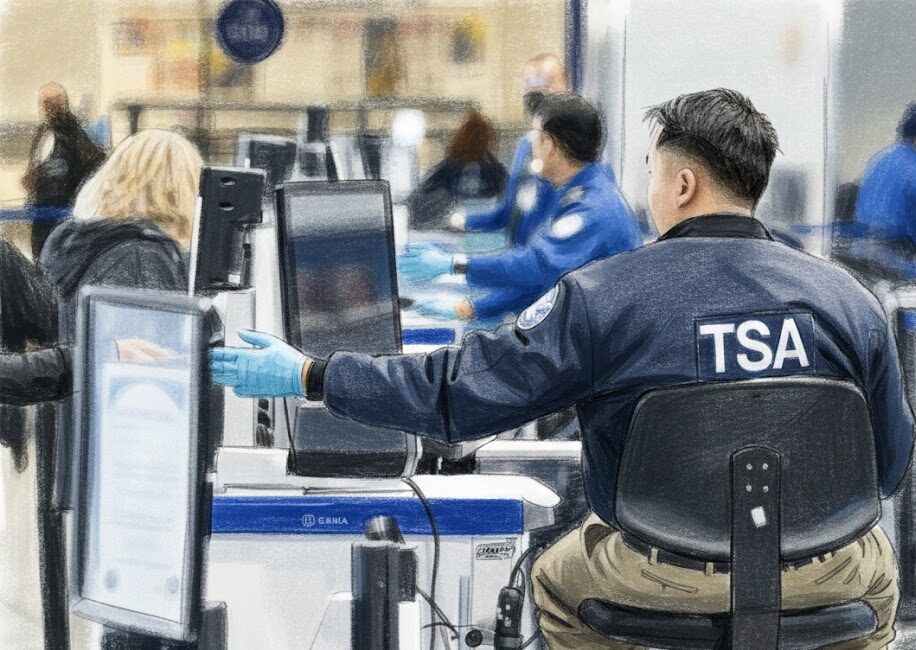
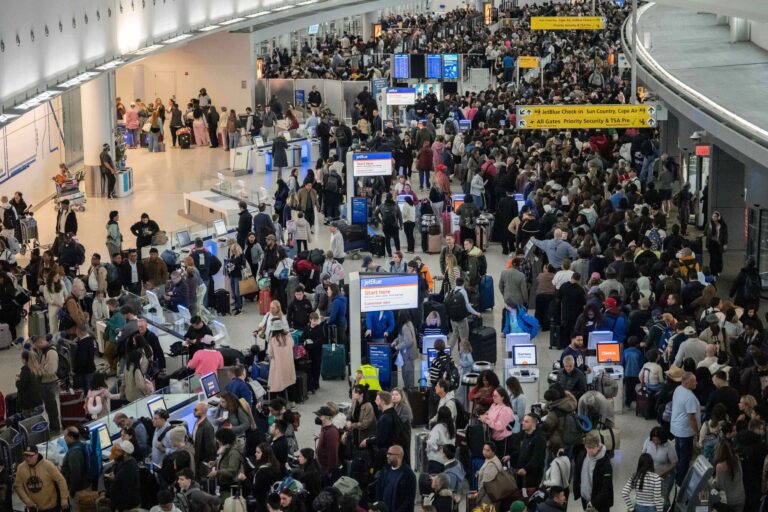
However, Transportation Security Administration officers fall under DHS authority. TSA personnel would remain on duty but would work without pay. If the shutdown continues for an extended period, staffing shortages could eventually lead to longer airport security lines.
Immigration Enforcement
Immigration enforcement operations are expected to proceed. Last year’s One Big Beautiful Bill Act provided $165 billion in supplemental funding, including $75 billion for Immigration and Customs Enforcement and $65 billion for Customs and Border Protection.
Because of that funding allocation, enforcement activities are not expected to slow despite the lapse in discretionary funding. The unsuccessful DHS funding bill would have provided $64 billion for the fiscal year.













































 No comments yet. Be the first to comment!