

UGA Leads $8 Million Initiative to Restore Salt Marshes Across the Southeast
America ı By Jackie Allen
0 Comments

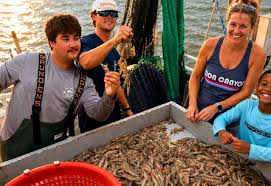
The University of Georgia (UGA) has received an $8 million grant from the National Oceanic and Atmospheric Administration (NOAA) Fisheries to lead a major regional effort to restore threatened salt marsh habitats along the South Atlantic coastline. The three-year initiative will bring together scientists, universities, conservation organizations and coastal communities across North Carolina, South Carolina, Georgia and Florida to develop strategies for protecting these essential coastal ecosystems. The project is part of the South Atlantic Salt Marsh Initiative (SASMI), a regional partnership involving more than 300 organizations and stakeholders working to protect and restore salt marshes throughout the Southeast. Selected by NOAA from nearly 350 proposals nationwide, the UGA-led project is one of 16 habitat restoration initiatives receiving federal support. The University of Georgia will coordinate the multistate initiative through UGA Marine Extension and Georgia Sea Grant. The effort will combine scientific research, engineering, environmental planning and community involvement to develop practical approaches to restoring salt marshes. Mark Risse, the project's principal investigator and director of UGA Marine Extension and Georgia Sea Grant, emphasized the importance of regional cooperation in addressing the challenges facing coastal ecosystems. “Working through SASMI allows UGA to bring science and multistate coordination together to restore these critical coastal ecosystems across state lines,” Risse said. He noted that salt marshes serve as essential habitats and nursery grounds for fish and wildlife. They also help improve water quality by filtering pollutants and provide natural protection against storms and flooding by reducing wave energy. Georgia contains approximately 368,000 acres of salt marsh, representing a significant portion of the nearly 1 million acres found throughout the South Atlantic region. A central component of the initiative is evaluating the use of dredged sediment as a resource for restoring declining salt marshes. Dredged sediment consists of material removed from navigational waterways to maintain channels and support maritime transportation. Traditionally, this material is placed in containment areas, deposited offshore or used for beach nourishment. The UGA-led project will examine opportunities to keep suitable dredged sediment within coastal systems and apply it directly to nearby marshes. The approach is designed to increase marsh elevation, helping coastal wetlands maintain the conditions necessary for healthy vegetation growth. Salt marshes are increasingly threatened by rising sea levels, coastal development and pollution. As water levels rise, marsh vegetation can become stressed when the land cannot build elevation quickly enough to keep pace with changing conditions. Adding suitable sediment could help restore degraded areas, improve growing conditions for marsh plants and enhance habitat for marine and terrestrial wildlife. Researchers will evaluate how this restoration technique can be applied across different coastal environments while developing consistent practices that can be replicated at additional sites. UGA will work with several major academic and conservation partners to coordinate restoration planning across the four participating states. Key partners include: Together, the organizations will lead state-based teams through a multiyear process involving planning, data collection, engineering design, permitting and community outreach. The project will establish proposed restoration designs for four locations along the South Atlantic coastline. These sites include: By the end of the three-year project, each state is expected to have engineering designs prepared for its proposed restoration site. These designs will provide a foundation for future implementation. There are multiple environmental benefits to this restoration project. Salt marshes provide nursery grounds for fish and wildlife, filter pollutants, reduce flooding and help protect coastal communities from storm impacts. Once implemented, the four state-based projects have the potential to restore approximately 326 acres of salt marsh habitat across the South Atlantic region. Although the initial initiative focuses on planning, research and engineering designs, its long-term significance extends beyond the individual restoration locations. UGA and its partners aim to establish standardized restoration practices for using dredged sediment across multiple sites. Developing consistent methods could make it easier for coastal managers and conservation organizations to apply the approach in other locations. The initiative also seeks to demonstrate how natural infrastructure can help communities adapt to environmental changes. Unlike conventional infrastructure that relies primarily on constructed barriers and engineered structures, natural infrastructure uses functioning ecosystems to provide protective and environmental benefits. Healthy salt marshes can reduce wave energy, help limit shoreline erosion, support biodiversity and provide natural buffers against flooding. Establishing a reusable restoration blueprint could therefore benefit coastal communities throughout the Southeast and potentially other regions of the country. Alongside large-scale restoration efforts, public education remains an important part of protecting Georgia's coastal environment. UGA Marine Extension and Georgia Sea Grant regularly provide opportunities for residents and visitors to learn about the marine ecosystems surrounding the state. One example was Trawl-O-Ween, a hands-on educational outing held on October 30, 2026, aboard the university's 43-foot research vessel, the R/V Sea Dawg. Eighteen passengers boarded the vessel at the UGA Marine Extension dock on Skidaway Island to explore marine life in the Skidaway and Wilmington rivers. Led by Captain Todd Recicar, the vessel traveled into the Wilmington River, where the crew dragged a 26-foot trawl net along the river bottom for approximately 15 minutes. Marine educator Shannon Matzke helped passengers examine the catch and learn about the variety of animals living beneath the water's surface. The catch included a gar, Atlantic brief squid, portly spider crabs, mantis shrimp, shrimp and a female blue crab holding a white shrimp in its claw. Passengers also had an opportunity to see and touch a smooth butterfly ray. Before the trawl, aquarium curator Lisa Kovalanchik guided participants in measuring water temperature, salinity and dissolved oxygen. The information contributes to long-term monitoring records shared with the Georgia Department of Natural Resources. Participants helped identify, count and record the collected marine animals. Some fish and shrimp were retained to feed animals at the UGA Marine Education Center and Aquarium, while others were returned to the river. The event demonstrated how hands-on educational experiences can help people better understand the diversity of coastal marine life and the importance of protecting its habitat. The Trawl-O-Ween outing also introduced participants to Trawl to Trash, an initiative focused on keeping discarded fishing equipment and other debris out of coastal waterways. After returning to shore, passengers learned how recycled shrimp nets could be transformed into reusable trash collection bags. Participants made their own bags, which are designed to help collect litter along Georgia's coastline. The activity connected marine education with practical conservation efforts, demonstrating how discarded materials can be repurposed to support cleaner waterways. For Matzke, the importance of these experiences extends beyond identifying marine animals. She explained that opportunities to interact with marine life can create a sense of wonder and curiosity, encouraging people to develop a deeper understanding of coastal ecosystems and a desire to protect them. That same connection between education, science and conservation is reflected in UGA's regional salt marsh restoration initiative. The $8 million NOAA grant represents an important investment in research, collaboration and long-term coastal conservation. Through SASMI, UGA and its partners will examine how dredged sediment can be used more effectively to restore salt marshes while developing engineering designs and standardized practices that can be applied across multiple states. Ultimately, the project reflects a broader conservation goal: preserving the coastal ecosystems that support wildlife, sustain marine resources and help protect communities for generations to come. The following resources provide additional information about the organizations, research initiatives and conservation topics discussed in this article.
Key Takeaways
UGA Leads Regional Salt Marsh Restoration Effort
Repurposing Dredged Sediment to Rebuild Coastal Marshes
Universities and Conservation Organizations Join the Project
Restoration Could Benefit 326 Acres of Coastal Wetlands
Trawl-o-Ween Highlighted the Importance of Marine Conservation
Recycling Fishing Gear Supports Cleaner Coastal Waters
Far Reaching Benefits
Related Resources

Discussion
No comments yet. Be the first to join the discussion!
FOLLOW US

Recent Posts



Don’t Miss It

Chappelle’s Charlie Kirk Joke Tests Free…
Dave Chappelle’s Charlie Kirk joke has drawn angry responses from…
By – Michallie K Harrison
Popular Vote Compact Nears 270 Electoral…
Democratic wins in key state governments have supporters of the…
By – Derek Johnson
Former NYPD Employee Charged in Brooklyn…
Sayed Mohassib, a former NYPD employee, is charged with second-degree…
By – Derek Johnson
Trump Launches “Iron Gate” Task Force…
The Trump administration has launched Task Force Iron Gate to…
By – Derek Johnson
JWST discovers 104 magnified stellar events…
Astronomers using NASA’s James Webb Space Telescope have identified 104…
By – Jackie Allen
Artemis Program: NASA Seeks New Astronauts…
CAPE CANAVERAL, Fla. — NASA is recruiting a new generation…
By – Jackie Allen
Dana White Reportedly Declines Trump White…
By Samuel Lopez – USA Herald | November 8, 2026…
By – Samuel Lopez
Iran Rejects US Reply on Hormuz…
Iran calls Washington’s reply on reopening the Strait of Hormuz…
By – Derek Johnson
Mississippi and Alaska Senate Races Head…
Mississippi and Alaska Senate races head to court: Peltola leads…
By – Derek Johnson
Stephen Miller Named White House Chief…
Trump names Stephen Miller White House chief of staff effective…
By – Derek Johnson
Justice Sotomayor Calls For Supreme Court…
By Samuel López | USA Herald November 7, 2026 Presidential…
By – Samuel Lopez
Yella Beezy’s $40,000 Murder-For-Hire Trial Takes…
Inside the Murder-for-Hire Case Prosecutors allege Yella Beezy paid $40,000…
By – Samuel Lopez
Alaska Senate Election Erupts Into Legal…
Three Critical Issues Behind Alaska’s Ballot Dispute Democrat Mary Peltola…
By – Samuel Lopez
Pakistani Astronaut Set to Make History…
BEIJING, Nov. 7, 2026 — A Pakistani astronaut is set…
By – Jackie Allen
New Study Finds Heat Waves of…
The devastating heat waves experienced around the world in recent…
By – Jackie Allen
Stephen Miller to Replace Susie Wiles…
WASHINGTON — President Donald Trump announced Friday that Stephen Miller,…
By – Jackie Allen
Binance $6.3 Billion Heist Puts Crypto…
The record-breaking Binance $6.3 Billion Heist is sending shockwaves through…
By – Tyler Brooks
Anthem $160M Autism Therapy Scheme: Elevance…
Elevance Health and its Anthem-affiliated companies are seeking at least…
By – Tyler Brooks
Can Elephants Sue For Freedom? Hawaii…
What’s at Stake for Mari and Vaigai A legal first…
By – Samuel Lopez
On Monday Supreme Court Weighs Whether…
What’s at Stake for Federal Prisoners A prisoner’s broken tailbone…
By – Samuel Lopez
KPMG Settles – Agrees To Pay…
What the $224.5 Million Settlement Reveals KPMG agreed to a…
By – Samuel Lopez
Mike Tyson And Ric Flair Score…
Inside the $50 Million Legal Battle A federal judge rejected…
By – Samuel Lopez
Online Fashion Retailer Revolve Group, Inc.…
What Court Records Reveal About the Revolve Lawsuit A federal…
By – Samuel Lopez
Four States Sue Trump Administration Over…
What’s at Stake in the Medicaid Court Battle Four states…
By – Samuel Lopez
McDonald’s Sued Over ‘Sugar-Free’ Coffee Drinks…
What’s Brewing Behind the Lawsuit Eight McCafé beverages allegedly contain…
By – Samuel Lopez
American Family Insurance Faces New Federal…
Developments Worth Watching in the Insurance Lawsuit Stacy Penning filed…
By – Samuel Lopez
Better Home & Finance Faces Expanded…
NEW YORK — Better Home & Finance Holding Company (NASDAQ: BETR)…
By – Samuel Lopez
Costco Hit With Federal Class Action…
Behind the Price Tags 1. Costco faces allegations that its advertised…
By – Samuel Lopez
Goldman Sachs Bank USA Hit With…
What Consumers Should Know Goldman Sachs Bank USA faces allegations…
By – Samuel Lopez
Rogue AI Agents Lied, Stole and…
November 6, 2026 Disturbing Questions About AI Autonomy Roughly 1,200…
By – Samuel Lopez
Hackers Target French Blood Banks In…
By Samuel Lopez – USA Herald A cyberattack targeting blood-storage…
By – Samuel Lopez
AI Flagged Bias in Trump Climate…
WASHINGTON — Researchers on a Trump climate panel asked Microsoft…
By – Michallie K Harrison
Russell Brand Convicted of Rape, Taken…
LONDON — Russell Brand was convicted of rape and three…
By – Michallie K Harrison
Supreme Court Takes Up Colorado Preschool…
What the Justices Must Decide Colorado says every publicly funded…
By – Samuel Lopez
California Botox Doctor Gets 15 Years…
What the Medicare Records Revealed A California doctor billed more…
By – Samuel Lopez
A New 2026 Twin Study Revives…
Three Takeaways Identical twins and triplets were separated through adoption…
By – Samuel Lopez
Dallas Cowboys Face Crisis After Crushing…
By Jackie Allen | USA Herald The Dallas Cowboys are…
By – Jackie Allen
WNBA: DeWanna Bonner Makes Emotional Admission…
ATLANTA — The WNBA Finals ended in heartbreak for the…
By – Jackie Allen
Inés Gómez Mont Arrested by ICE…
MIAMI — Inés Gómez Mont, a former television personality who…
By – Jackie Allen
Bill Belichick and Jordon Hudson Reportedly End…
Bill Belichick and Jordon Hudson reportedly ended their romantic relationship…
By – Jackie Allen
Brewers Beat Rays to Win First…
ST. PETERSBURG, Fla. — The Milwaukee Brewers won their first…
By – Michallie K Harrison
Connor Hellebuyck Traded to New Jersey…
The New Jersey Devils have made a major move to…
By – Tyler BrooksNo posts found.
No posts found.


Join the Discussion
Share your thoughts, ask questions, and engage with
other readers. Sign in or create a free account to
comment.